-
-
SolutionGoman Lift provides spider lifts, insulated bucket trucks and scissor lifts for power, commercial, transit and municipal aerial operations. Our project cases cover airports, high-speed stations, malls and substations with 500+ global clients.
-
-
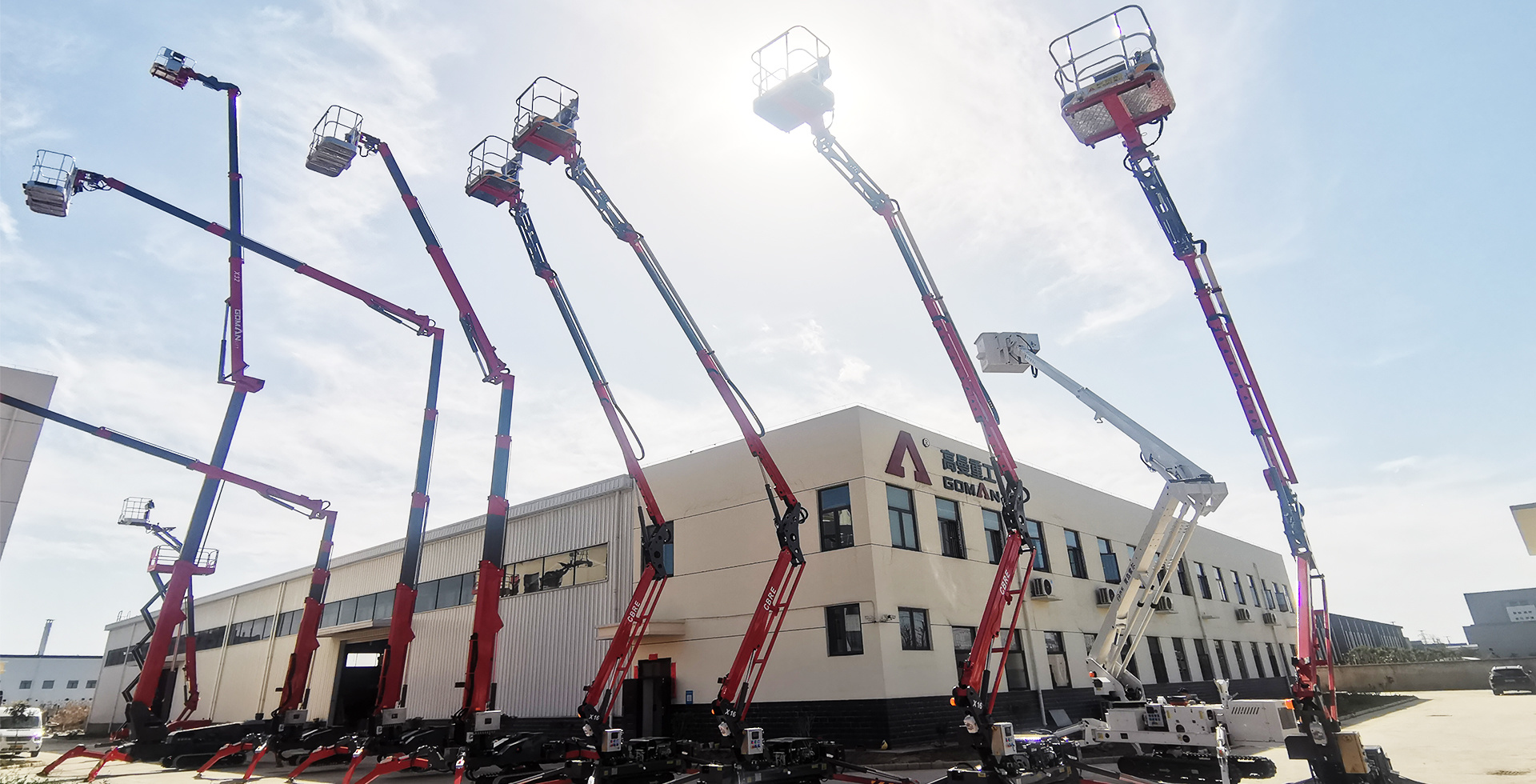
ProductGoman Lift manufactures full series aerial work platforms, including tracked spider lifts, articulating boom lifts, telescopic lifts, insulated tracked lifts for live-line power maintenance, scissor lifts and trailer-mounted lifts. Factory direct supply.
-
BlogGOMAN LIFT News Center focuses on sharing professional expertise about aerial work equipment, publishing product comparisons, performance analysis and working condition selection guides for spider lifts, Insulated Tracked Lifts, articulated & telescopic boom lifts and Scissor Lifts. It also features the latest GOMAN LIFT corporate updates, project delivery cases and cutting-edge industry trends.
-
RecruitIt is our consistent talent development philosophy to grow and progress together with employees. Adhering to people-oriented management, we unite staff with promising career prospects and ambitious goals. We uphold equality for all and care for every talent.
Consultation Hotline
Spider Lifts: Advantages, Applications, Buying Guide & Maintenance Tips
Time
2026-06-26
浏览量
141
Workers specializing in facade cleaning, mall maintenance, ancient building restoration and steel structure construction all face a common headache when working at height: most lifting equipment cannot access tight areas, damages finished floors, or fails to operate on bumpy ground.
Traditional truck-mounted aerial lifts are over 2.5 meters wide, making them impossible to drive into narrow lanes of old communities, mall atriums or underground parking lots. Scissor lifts only move vertically and cannot bypass walls or large machinery. Scaffolding requires 3 to 5 workers to assemble and disassemble, taking half a day or longer, while bringing significant fall hazards.
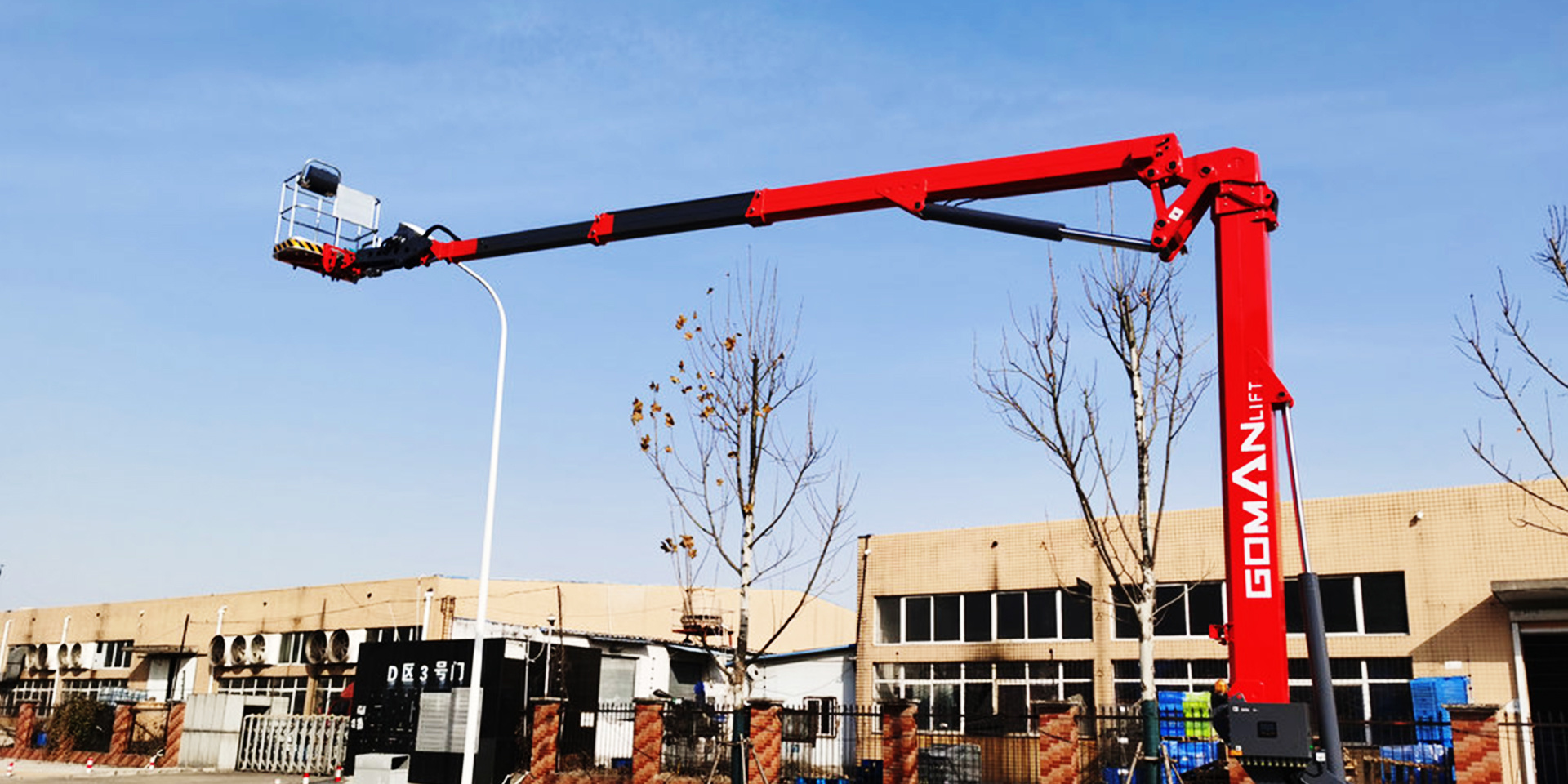
In recent years, rental companies and construction teams have been purchasing spider lifts in large quantities. Officially named tracked spider aerial work platforms, they are shortened to spider lifts by industry practitioners. They get their name from four independently extendable hydraulic outriggers that resemble spider legs. Equipped with compact frames and rubber tracks, they deliver stable operation on delicate indoor flooring and muddy mountain roads outdoors. Drawing on years of hands-on site experience, this guide breaks down everything about spider lifts for buyers, rental managers and equipment operators.
1. Core Structure of Spider Lifts
Many new procurement staff and site supervisors struggle to tell spider lifts apart from standard articulating boom lifts. The key differences lie in undercarriage, outrigger design and frame size — the exact features that make spider lifts suitable for challenging job sites.
1.1 Non-marking rubber tracked undercarriage for all-terrain travel
The wide rubber tracks maximize ground contact area and minimize ground pressure. They will not scratch marble, epoxy floors or lawns in scenic spots. Off-road, the tracks deliver strong traction on muddy dirt roads, gravel hills and gentle stair slopes, with a maximum climbing gradient of 30° to avoid slipping or sinking.
Three power options are available:
Lithium battery electric models: Silent and zero-emission, perfect for enclosed indoor spaces
Diesel-powered units: Require no external power supply, suitable for remote outdoor job sites
Dual fuel hybrid lifts: Works both indoors and outdoors, the top choice for rental fleets
1.2 Independent hydraulic outriggers with automatic leveling
This is the most distinctive feature of spider lifts. Each of the four outriggers adjusts height and extension independently. There is no need to lay steel plates or level uneven ground, slopes or steps manually. Operators can activate one-touch automatic leveling via wireless remote control to stabilize the machine within one or two minutes. Large anti-slip pads under each outrigger distribute weight evenly, preventing tipping on soft mud or riverbanks — a capability standard aerial lifts lack entirely.
1.3 Articulated boom with jib for obstacle crossing
The boom system adopts an articulated main boom plus fly jib design, easily bypassing walls, steel frames, trees and factory equipment to reach precise working positions. The man basket holds 1 to 2 operators with tools, with load capacity ranging from 120kg to 230kg. Working heights span from 12m to 50m, covering light indoor maintenance up to high-rise facade projects.
1.4 Ultra-compact folded frame for easy transportation
Compact spider lifts fold down to only 0.89–1.3 meters wide and under 2 meters tall. They pass through residential unit doors, mall fire exits, and some mini models even fit inside passenger elevators. No heavy-duty semi-trailers are required; pickup trucks or light flatbed trailers handle short-distance transport, cutting logistics costs significantly.
2. Four Core Advantages of Spider Lifts vs Scaffolding, Truck-Mounted Lifts & Scissor Lifts
Feedback from facade crews, property maintenance teams and landscape contractors across the country proves spider lifts outperform traditional access equipment on complex job sites — the primary reason construction firms are phasing out outdated lifting gear.
2.1 Access to ultra-narrow spaces
Conventional truck-mounted lifts exceed 2.5 meters in width and cannot enter old neighborhoods, indoor venues or underground tunnels. Scissor lifts have no horizontal outreach and require repeated repositioning around barriers. The slim folded frame of spider lifts navigates narrow passages under 1.3 meters wide with ease. For mall ceiling repairs and indoor steel coating, spider lifts eliminate the need for full scaffolding and let crews start work immediately upon arrival.
2.2 Damage-free lightweight operation to avoid compensation claims
Flexible rubber tracks combined with weight-distributing outriggers leave no scratches on tile or stone floors. No protective plywood is needed on lawns or sapling zones, eliminating compensation risks for damaged surfaces and vegetation. High-end office buildings, shopping centers and tourist attractions almost exclusively use electric spider lifts for this non-marking feature.
2.3 Stable outdoor operation on rough terrain, less downtime in wet weather
Wheeled aerial lifts only operate on paved surfaces and become unusable after rain on muddy farmland, gravel hills or uneven wasteland. Spider lifts rely on track traction and independent leveling outriggers to set up quickly on rugged outdoor ground, cutting downtime for tree trimming and suburban exterior renovation by half during poor weather.
2.4 Single-operator design reduces labor costs and project timelines
Scaffolding demands multiple workers for lengthy assembly and teardown, driving up labor expenses and safety risks. One operator can control a spider lift from the ground via remote control. Outrigger setup cuts pre-work preparation time by over 60%. For frequent high-altitude tasks, renting or purchasing a spider lift slashes spending on labor, materials and construction schedules.
3. Main Application Scenarios of Spider Lifts (Real-World Job Site Cases)
The core value of spider lifts is tackling complex sites inaccessible to standard lifting equipment. They are widely used in commercial maintenance, construction, landscape tourism, industrial inspection and municipal emergency repairs.
3.1 Maintenance for shopping malls, office buildings and hotels
Tasks include glass facade cleaning, high ceiling light replacement, HVAC pipe inspection and seasonal advertising installation. Electric spider lifts operate quietly with no exhaust fumes, allowing maintenance work during business hours without disturbing customers in lobbies, theaters and exhibition halls.
3.2 Exterior renovation for new factories and old residential areas
Spider lifts support steel structure welding, exterior paint spraying and roof waterproofing on new industrial plants, plus exterior insulation and window replacement in aging neighborhoods. Their compact size navigates crowded parking lots and narrow residential roads without occupying large public space.
3.3 Tourist attractions, ancient architecture and landscape care
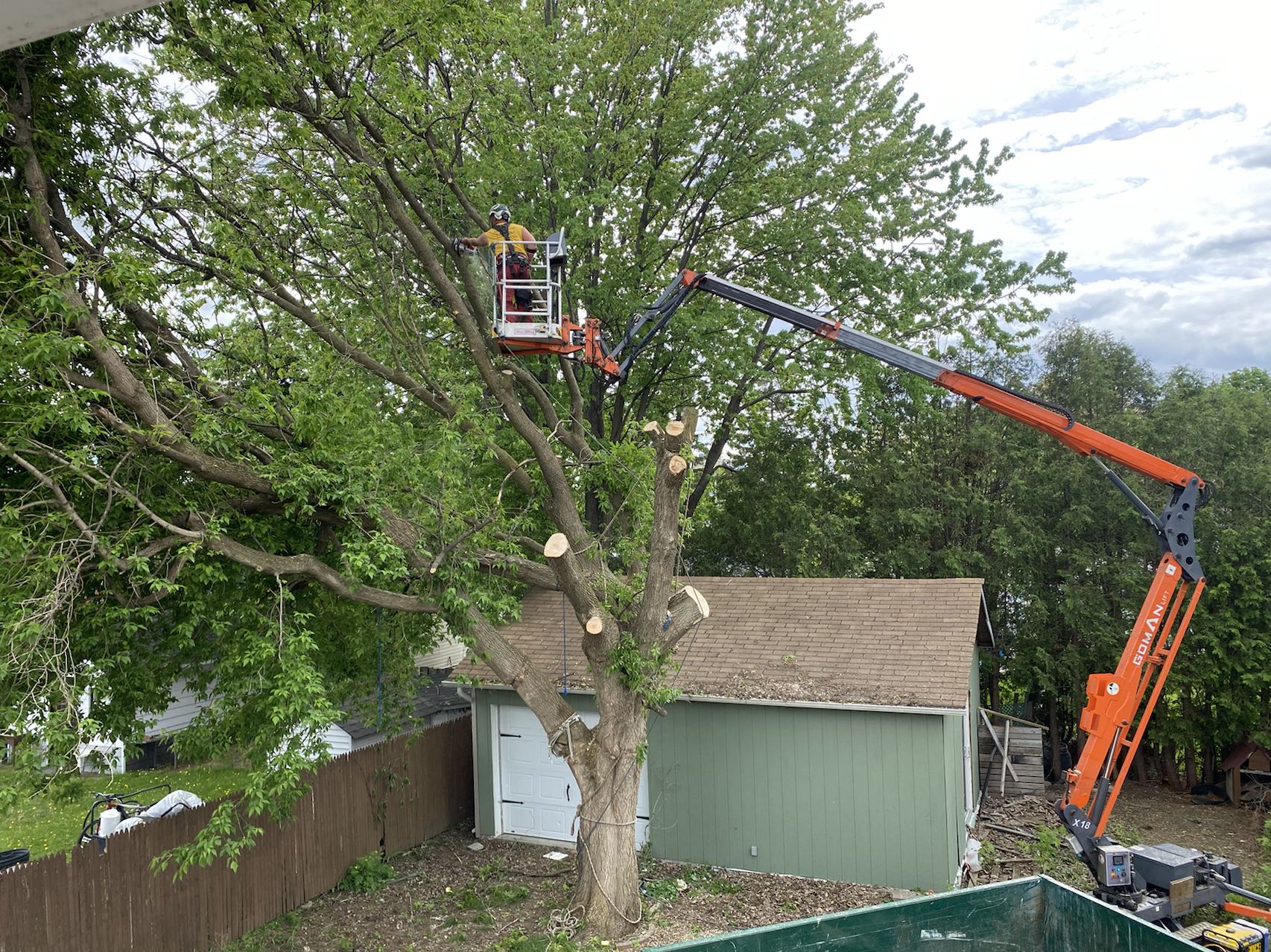
Common jobs include temple restoration, scenic lighting installation and tall tree pruning. Mountain trails and green zones dominate tourist sites, and tracked spider lifts protect vegetation without damaging original landscapes.
3.4 Inspection for factories, warehouses and large equipment
The slim frame moves between production machinery in workshops and logistics warehouses for maintenance of high racks, ventilation ducts and fire protection systems, as well as routine checks on factory steel frames and photovoltaic parks.
3.5 Municipal road emergency repairs
Spider lifts are used for street lamp maintenance, bridge lighting upgrades and roadside tree trimming. After typhoons or heavy rains, mud and damaged roads block regular vehicles, while spider lifts quickly reach fault points to shorten repair cycles.
4. Spider Lift Buying Guide: 5 Critical Parameters to Avoid Costly Mistakes
Many buyers only focus on working height while overlooking power type, frame dimensions and track configuration, leading to underutilized equipment after purchase. Below are practical purchasing tips compiled from years of industry procurement experience.
4.1 Working height & horizontal outreach
Indoor malls, low-rise factory routine maintenance: 12–18m compact spider lifts
Exterior renovation, ancient landscape projects: 20–30m models
Large facades, bridges, high-rise industrial plants: 30–50m high-reach units
Longer horizontal outreach minimizes repeated repositioning and boosts work efficiency for distant overhead tasks.
4.2 Power type matching your job site
Enclosed indoor spaces, premium property, quiet work requirements: Lithium battery electric spider lifts
Outdoor construction sites, no on-site power supply, long-duration field work: Diesel spider lifts
Mixed indoor & outdoor projects, rental fleets: Dual fuel hybrid lifts for maximum versatility
4.3 Track material & overall machine weight
Indoor malls and premium finished floors: Standard non-marking rubber tracks
Long-term use on mountain gravel and rough ground: Reinforced tear-resistant heavy-duty tracks for extended service life
For malls and basements with limited floor load capacity, prioritize lightweight models to prevent floor cracking.
4.4 Folded frame width
For indoor work and narrow lanes in old communities, select compact models with folded width under 1.3 meters. For open outdoor sites, prioritize lifts with larger horizontal outreach instead of narrow frames.
4.5 Complete safety protection systems
Fully compliant spider lifts must come standard with outrigger ground pressure alarms, machine tilt protection, overload limiters, interlocked dual controls and emergency stop buttons. Complete safety systems are mandatory to pass site and property safety inspections and reduce overhead work hazards.
The growth of urban renewal, premium commercial maintenance and ancient landscape restoration projects exposes the limitations of traditional scaffolding and large truck-mounted aerial lifts. Spider lifts stand out with four major strengths: narrow-frame accessibility, non-marking tracks, all-terrain adaptability and efficient single-operator workflow, making them essential high-altitude equipment for property management, construction, landscape and municipal industries.
Whether renting short-term equipment for one-off projects or purchasing long-term machinery, matching lift height and power type to indoor or outdoor job conditions lowers construction costs while boosting overall overhead work safety. Goman Heavy Industry supplies a full range of spider lifts covering 12–50m working heights, including electric, diesel and hybrid models tailored for all indoor and outdoor high-altitude construction scenarios, with customized units available to match unique project requirements.
Previous:Advantages and Application Scenarios of Spider Lifts (Aerial Work Platforms)
Recommended News

Address : 188 Doubu Avenue, Hannan District, Wuhan 430090,China
Jack: 0086 18627769149(wechat/whatsApp)
Fendi: 0086 13339994983(wechat/whatsApp)
Chole: 0086 13886057623(wechat/whatsApp)
Ellen: 0086 13627238296 (wechat)
Tel: 0086 27 8485 5127
Fax : 0086 27 8485 5128
Email : sales@gomanlift.com